
How an ALTA Title Survey Supports a Commercial Property Refinance
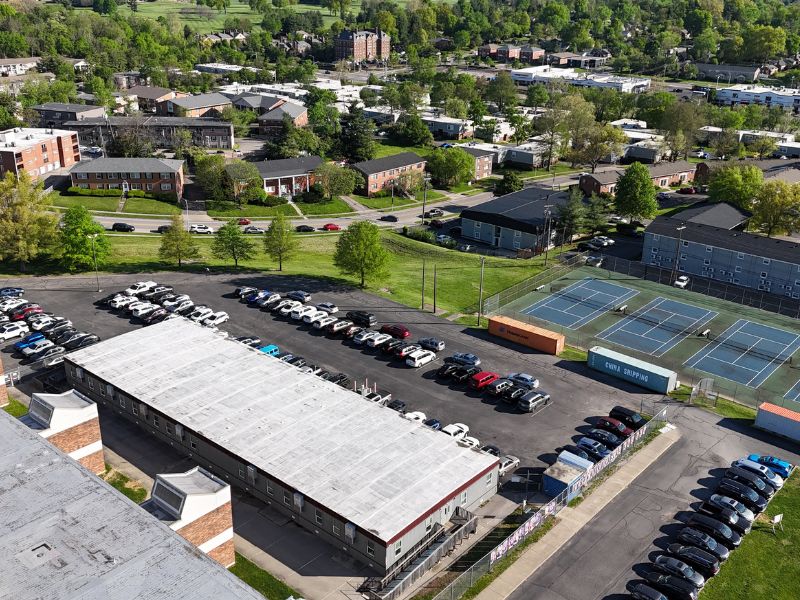
Refinancing a commercial property often moves faster when the paperwork is in order. One thing that can slow it down is an old or missing ALTA title survey. Lenders and title companies use this survey to check what they are actually financing. If it is missing or outdated, closing can be delayed by weeks.
If you own or manage commercial property here and a refinance is coming up, it helps to know when this survey matters and why.
Why Commercial Refinancing May Require an Updated ALTA Survey
Lenders want clear, current facts about the property backing the loan. An ALTA survey gives them that. It checks that the boundaries, easements, access points and buildings match the legal description in the title papers.
Many lenders require this survey before they will approve a commercial refinance. This is especially true for larger properties or sites with tricky layouts. Some title companies will not offer extended coverage without one. Extended coverage removes certain risks from the title policy. It protects both the lender and the borrower.
Las Vegas has grown a lot in recent years. New retail centers, industrial parks and mixed-use sites have popped up across the valley. Some of these properties changed over time without full records being kept. A refinance is often the first time these gaps get noticed.
When an Existing ALTA Survey Needs to Be Updated
Not every refinance needs a brand new survey. If you already have an ALTA survey from a past purchase or refinance, your lender or title company may accept it. Sometimes they only ask for a simple update, called a recertification.
You may need a new or updated survey if:
- The property has changed since the last survey, like new buildings, additions or parking areas
- Easements or access agreements have changed
- The old survey is more than a few years old
- The lender wants details the old survey does not include
- Property lines were changed through a lot line adjustment or plat amendment
These rules can be different for each lender, title company and loan type. It is best to check early instead of guessing. A licensed surveyor can look at your old survey and tell you if an update is enough or if you need a full new survey.
How Property Changes Can Affect Refinance Due Diligence
Properties change over time. These changes matter during refinance due diligence. A bigger parking lot, a new loading dock or a fence moved a few feet can all raise questions if they are not shown on current records.
Encroachments are common in commercial properties. This often happens where lots share driveways, signs or drainage systems. If a neighboring building crosses a property line, or if a shared easement was never put on record, the lender will want this fixed before funding.
Grading and drainage changes can also cause problems. This is especially true near floodplain zones or areas with retention basins. If site work changed how water moves across the land, the survey should show this.
A correct survey catches these problems early. It gives everyone a clear, shared picture of the property as it stands today.
Coordinating the Survey With Lender and Title Requirements
Every lender has its own survey rules. Title companies often add their own requirements too. Talking to your surveyor, lender and title company early helps keep your refinance on schedule.
Start by asking your lender what survey standard they need. Most commercial lenders ask for an ALTA/NSPS survey that meets current standards. This includes extra items called Table A items. These cover things like zoning type, utility locations, flood zone data and parking counts. Your lender will tell you which Table A items they need.
Share this list with your surveyor before work starts. It saves time to collect everything in one site visit. Sending a surveyor back out later for missing details slows the process down.
It also helps to bring in your title company early. They can tell you what survey coverage they need to offer an extended title policy. This policy protects you and your lender against boundary and survey problems.
How Survey Findings Can Help Prevent Refinance Delays
A good ALTA survey does more than check a box. It can catch problems early, while there is still time to fix them before your closing date.
Common findings that can affect timing include:
- Unrecorded easements found during the survey
- Structures or fences crossing a boundary line
- Access or utility problems that need to be fixed before title can insure the property
- Differences between the legal description and what is actually on site
If your surveyor finds one of these issues, you have options. Sometimes a simple agreement between neighbors solves it. Other times it takes more work with a neighboring owner or the local municipality. Either way, finding out early gives you time to fix it before your closing date is locked in.
Ask about survey needs as soon as you start planning a refinance. Do not wait until your lender asks. This gives your surveyor time to do the work right and gives you time to fix anything that comes up.
Frequently Asked Questions
Does every commercial refinance need a new ALTA survey?
Not always. Some lenders accept an existing survey if it is recent and still matches the property. Others need a new survey or a recertification. This depends on your lender, title company and property type, so ask early.
How long does an ALTA survey take for a commercial property?
It depends on the size and layout of the property, plus how busy the surveyor is. Many surveys take a few weeks from start to finish. Larger or more complex properties can take longer, especially if the survey turns up title or easement issues.
Who pays for the ALTA survey during a refinance?
This is usually worked out between the borrower and the lender. It can vary by loan. Ask your lender how survey costs are handled for your loan.